



7 Best Ultimate Owner Operator Freight Factoring Guide
If you’ve been in the trucking business for more than a few months, you already know the feeling. You deliver a load, sign the paperwork, and then… you wait. Thirty days. Sometimes forty-five. Meanwhile, your fuel card bill is due next week, your truck payment doesn’t care that the broker hasn’t paid you yet, and your mortgage definitely isn’t waiting on anyone.
This is the reality for a huge number of owner operators, and it’s exactly why freight factoring has become such a common topic in trucking circles. It’s not a magic fix, and it’s not free money — but for a lot of carriers, it’s the difference between running a business with breathing room and running one that feels like it’s always one late payment away from trouble. If you’re weighing your options, onboarding your truck with OIG is one way to get support on both the load-finding and paperwork side while you sort out your cash flow strategy.
In this guide, we’ll break down what freight factoring actually is, how it works, what it costs, and how it fits into the bigger picture of running your operation — including how a good dispatch service can make the whole process smoother.

If you’re wondering whether owner operator freight factoring is right for your trucking business, this guide covers everything you need to know. You’ll learn how the process works, the differences between recourse and non-recourse factoring, common costs, and how factoring fits alongside professional dispatch services. Whether you’re operating under a new authority or have years of experience in the trucking industry, understanding owner operator freight factoring can help you make informed financial decisions that support long-term growth.
1. What Is Owner Operator Freight Factoring and How Does It Works?
Freight factoring, sometimes called invoice factoring, is a financial arrangement where you sell your unpaid freight invoices to a factoring company in exchange for immediate cash. Instead of waiting 30, 45, or even 60 days for a broker or shipper to pay you, you get most of that money — often within 24 hours — and the factoring company takes over the job of collecting payment from your customer. Here’s the basic flow of how freight factoring works, step by step:
- You haul a load and deliver it.
- You submit the invoice (along with the rate confirmation and proof of delivery, usually a signed BOL) to your factoring company.
- The factoring company advances you a percentage of the invoice value — typically somewhere between 90% and 97% — usually within one business day.
- The factoring company then collects the full invoice amount from the broker or shipper when it’s due.
- Once they’re paid, you receive the remaining balance, minus the factoring fee.
The appeal is obvious. You’re not sitting around hoping a broker pays on time. You’re not calling accounting departments to check on invoice status. You get paid for the work almost as soon as you’ve done it, and someone else handles the chasing.

For owner operators especially, this kind of steady cash flow can change how you run your business day to day. You can say yes to more loads because you’re not worried about having enough cash on hand to cover fuel between now and payday. You can take on a new lane or a new customer without wondering if you’ll be able to make payroll or cover maintenance costs while you wait on that first invoice to clear.
It’s also worth understanding that owner operators freight factoring isn’t a loan. You’re not borrowing money and paying it back with interest. You’re selling an asset — the invoice — at a discount. That distinction matters, especially when you’re thinking about how factoring shows up on your books and how it affects your relationship with brokers and shippers.
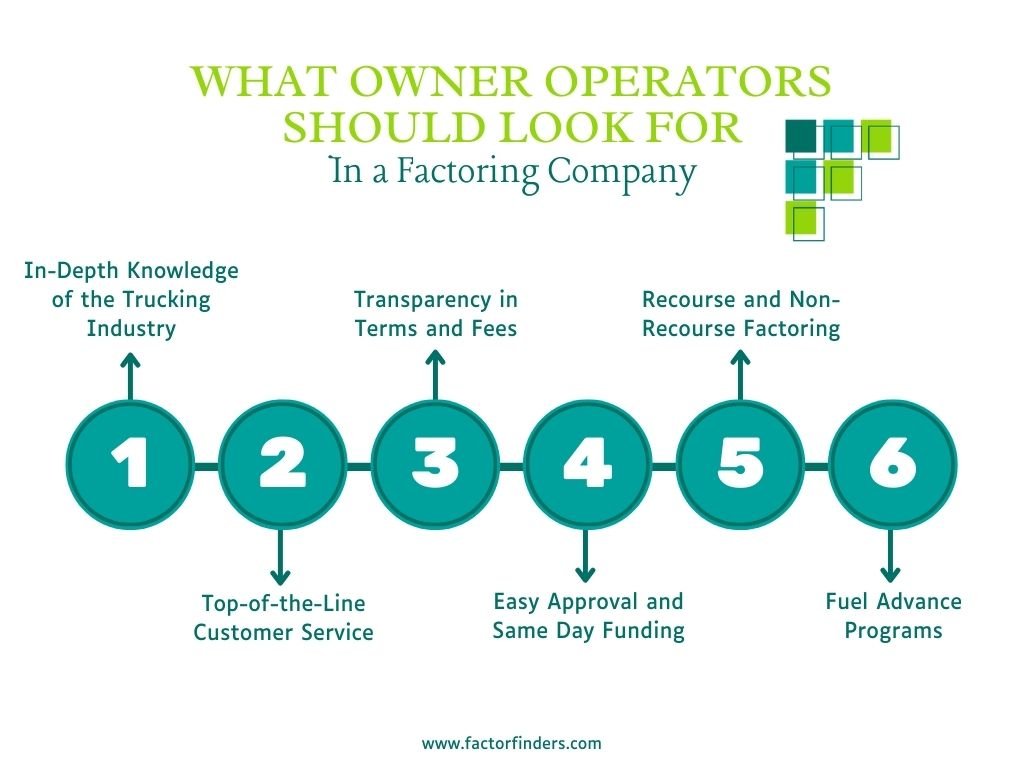
Why Do So Many Owner Operators Choose Freight Factoring?
Every successful trucking business depends on healthy cash flow. Even if your company is profitable, delayed broker payments can create financial pressure. That’s one reason owner operator freight factoring has become increasingly popular among independent carriers.
Some of the biggest benefits include:
Faster Access to Revenue
Instead of waiting more than a month to receive payment, you gain access to working capital almost immediately.
Better Fuel Management
Fuel remains one of the largest expenses in trucking. Reliable cash flow allows you to purchase fuel without worrying about delayed payments.
Easier Truck Maintenance
Unexpected repairs are part of operating commercial vehicles. Having faster access to your freight revenue helps reduce financial stress when maintenance costs arise.
Consistent Insurance Payments
Commercial insurance premiums remain due every month regardless of when brokers pay invoices. Using owner operator freight factoring helps ensure your business stays financially stable while meeting these ongoing obligations.
Business Growth Opportunities
Improved cash flow makes it easier to accept more loads, expand your customer base, and invest in equipment that supports long-term business growth.
Recourse vs. Non-Recourse Factoring
One of the most important decisions you’ll make when choosing owner operator freight factoring is selecting between recourse and non-recourse agreements. Although both options provide quicker payments, they handle unpaid invoices differently.

Recourse Factoring
With recourse factoring, you remain responsible if the broker ultimately fails to pay the invoice. Because the factoring company assumes less financial risk, recourse agreements usually offer lower factoring fees. Many experienced owner operators choose this option when working with brokers who have strong credit histories and reliable payment records.
Non-Recourse Factoring
Non-recourse factoring offers additional protection in specific situations, such as broker insolvency or bankruptcy, depending on the terms outlined in your agreement. However, non-recourse agreements don’t cover every type of unpaid invoice. Claims involving paperwork errors, delivery disputes, damaged freight, or billing issues may still remain your responsibility. Since the factoring company accepts more risk, non-recourse factoring generally costs more than recourse factoring.
Keep Your Business Moving with Better Cash Flow
Running a successful trucking business requires more than finding quality freight. It also requires reliable cash flow that keeps your truck on the road and your business operating efficiently. That’s why many independent carriers choose owner operator freight factoring as a practical solution for managing delayed broker payments. By improving cash flow, owner operators can pay fuel expenses, insurance premiums, maintenance costs, and other business expenses without waiting weeks for invoice payments.
At OIG, we understand that dispatching is about more than booking loads. Our team works closely with your factoring company whenever needed, helping ensure paperwork is submitted accurately so you receive payments as quickly as possible. We don’t recommend one factoring provider over another—we simply help the process run smoothly while you stay focused on growing your business.
Ready to simplify your trucking operation? Onboard Your Truck today and let OIG coordinate directly with your factoring company so you can enjoy faster payments with less paperwork and fewer delays. Ultimately, the right choice depends on your risk tolerance, customer base, and overall financial strategy. While choosing the right factoring solution is important, it’s equally valuable to work with an experienced dispatch partner that understands every step of the payment process. Learn more about OIG Dispatch Services to see how our team supports owner operators by coordinating paperwork efficiently and keeping your operation running smoothly.
5. What Does Owner Operator Freight Factoring Cost?
One of the first questions carriers ask is, “How much does owner operator freight factoring cost?” The answer depends on several factors, including your monthly invoice volume, the factoring company you choose, the type of agreement you sign, and the creditworthiness of the brokers you work with. Most factoring companies charge a fee ranging from 1% to 5% of the invoice amount. While this percentage may seem like an additional expense, many owner operators view it as the cost of maintaining consistent cash flow.
For example, if you factor a $2,500 invoice with a 3% factoring fee, the company would charge $75. You receive most of the invoice amount upfront, and once the broker pays, the remaining balance is released after deducting the agreed fee. When comparing providers, don’t focus only on the advertised rate. Ask about additional costs such as:
- Account setup fees
- Same-day funding fees
- ACH or wire transfer charges
- Monthly minimum requirements
- Credit check fees
- Contract cancellation fees
Understanding the full pricing structure helps you determine whether owner operator freight factoring fits your business goals and operating budget. Although factoring isn’t free, it often helps carriers avoid late payments, missed opportunities, or costly short-term financing. Many owner operators believe that the ability to keep their trucks moving outweighs the factoring fee itself.
6. How Owner Operator Freight Factoring Works with a Dispatch Service
Dispatching and factoring work best when they operate together. While your dispatch company finds profitable loads and communicates with brokers, your factoring company helps speed up payments for completed deliveries. At OIG, we understand how owner operator freight factoring fits into your daily operations. Our goal is to make the paperwork process as smooth as possible so you can spend more time driving and less time handling administrative tasks. Here’s how the workflow typically looks:
- OIG books a load with a reliable broker.
- You deliver the freight safely and on time.
- Required documents, including the Proof of Delivery (POD), Bill of Lading (BOL), rate confirmation, and invoice, are collected.
- Our team helps ensure the paperwork is complete before it’s submitted to your factoring company.
- Your factoring company verifies the documents and advances payment.
- The broker later pays the factoring company according to the agreed payment terms.

This coordinated process reduces delays caused by missing paperwork or documentation errors. OIG does not promote a specific factoring company. Instead, we work alongside your chosen provider to help ensure paperwork is submitted accurately and payments are processed efficiently. This allows owner operator freight factoring to become a seamless part of your business operations. Our Truck Dispatching Services help owner operators secure quality loads while ensuring paperwork is handled accurately with your factoring company, allowing you to stay focused on driving.
7. Is Owner Operator Freight Factoring Right for Your Business?
Every trucking business has different financial needs, so there’s no universal answer. For some carriers, waiting 30 to 45 days for broker payments isn’t a major concern because they have strong cash reserves. Others depend on steady cash flow to pay fuel costs, insurance premiums, truck loans, maintenance expenses, and everyday operating costs. You may benefit from owner operator freight factoring if you:
- Recently started operating under your own authority.
- Regularly work with brokers that have extended payment terms.
- Want faster access to working capital.
- Prefer focusing on driving instead of collecting unpaid invoices.
- Plan to grow your trucking business without disrupting cash flow.
On the other hand, if your business has sufficient reserves and delayed payments don’t affect your operations, factoring may not be necessary. The best decision depends on your financial goals, customer base, and overall business strategy. Carefully compare providers, review contract terms, and understand every fee before making a commitment. For many independent carriers, owner operator freight factoring is simply a financial tool that supports smoother operations and stronger cash flow.
Keep Your Business Moving with Better Cash Flow
Running a successful trucking business requires more than finding quality freight. It also requires reliable cash flow that keeps your truck on the road and your business operating efficiently. That’s why many independent carriers choose owner operator freight factoring as a practical solution for managing delayed broker payments. By improving cash flow, owner operators can pay fuel expenses, insurance premiums, maintenance costs, and other business expenses without waiting weeks for invoice payments.
At OIG, we understand that dispatching is about more than booking loads. Our team works closely with your factoring company whenever needed, helping ensure paperwork is submitted accurately so you receive payments as quickly as possible. We don’t recommend one factoring provider over another—we simply help the process run smoothly while you stay focused on growing your business. Ready to simplify your trucking operation? Onboard Your Truck today and let OIG coordinate directly with your factoring company so you can enjoy faster payments with less paperwork and fewer delays.

Frequently Asked Questions
1. Is owner operator freight factoring only for new carriers?
No. While many new authorities use owner operator freight factoring to improve cash flow, experienced owner operators and fleet owners also factor invoices. Businesses of all sizes use factoring to maintain predictable income and reduce payment delays.
2. How quickly can I get paid?
Many factoring companies fund approved invoices within 24 hours after receiving complete paperwork and verifying the broker. Funding speed may vary depending on the provider and documentation.
3. Can I use my own factoring company?
Yes. OIG works with your preferred factoring provider. We help coordinate paperwork so the funding process remains smooth and efficient without requiring you to switch companies.
4. Does factoring affect the loads I can book?
In most cases, no. However, many factoring companies review broker credit before approving invoices. Checking broker approval in advance can help prevent payment issues later.