



Seasonal Freight Trends: When Rates Go Up (And How to Plan Around Them)
The same trucking lane can pay very differently in June than it does in December. For owner operators, understanding seasonal freight rates trucking patterns can make it easier to choose better loads, plan routes, and protect cash flow throughout the year. Freight demand changes with the seasons. Produce harvests, holiday shopping, winter weather, construction activity, and regional demand can all influence how much freight is available and how much capacity is needed. Understanding seasonal freight rates trucking does not mean predicting an exact rate months ahead. Instead, it means recognizing recurring market patterns and preparing your truck before demand changes.
For owner operators, seasonal freight rates trucking knowledge can be particularly useful when deciding where to position equipment. A dispatcher who monitors seasonal demand can help you move toward markets where freight activity is building instead of waiting until the market has already shifted.

Produce Season and Its Effect on Reefer and Dry Van Rates
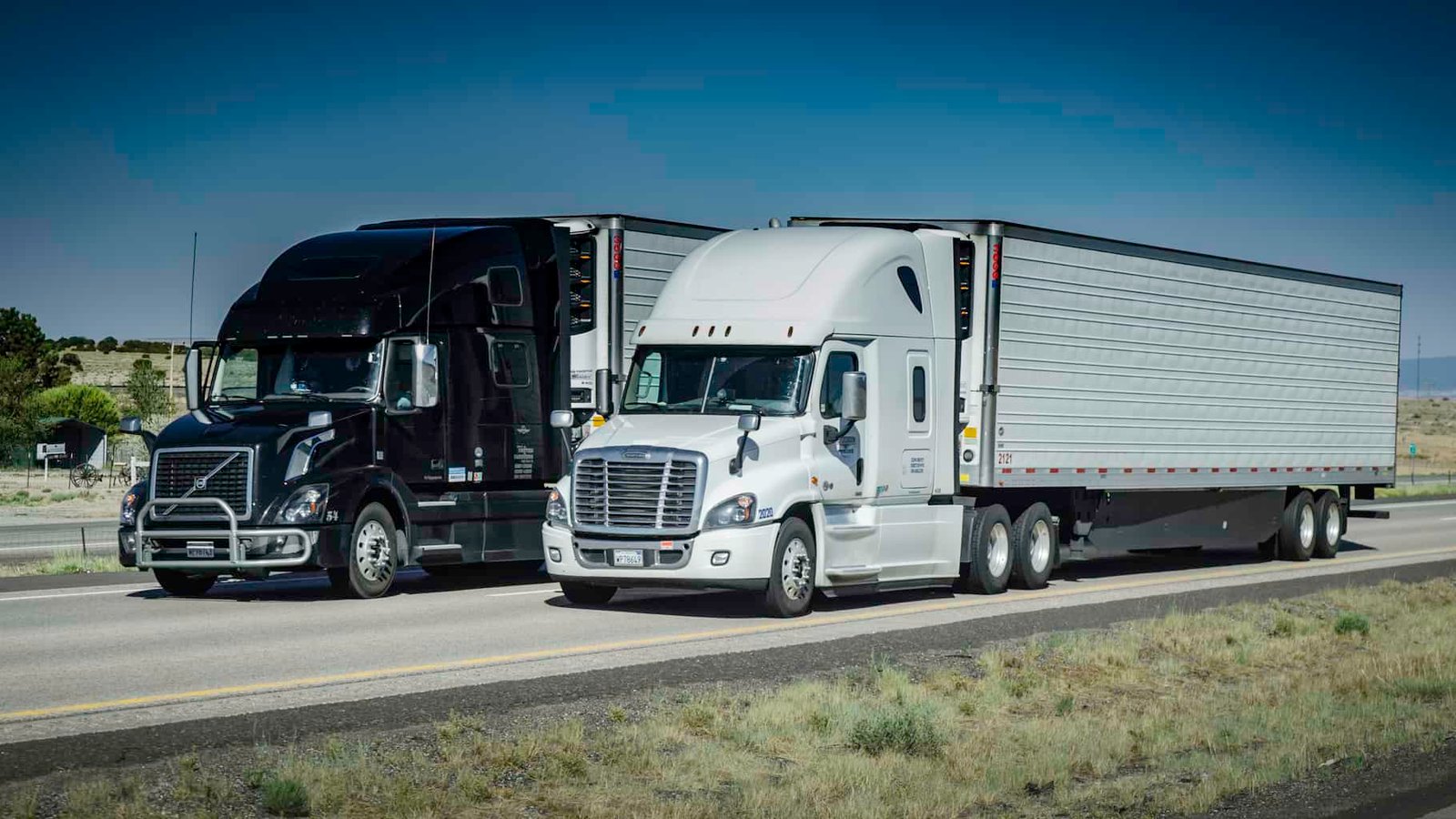
Produce season is one of the clearest examples of seasonal freight rates trucking patterns. As fruits and vegetables move from farms to processing facilities, distribution centers, grocery stores, and wholesalers, freight volume can increase in major agricultural regions. Reefer carriers often feel this shift first because temperature-controlled trailers are required for many fresh and perishable products. When demand for refrigerated capacity rises, available trucks can become tighter around major growing regions. However, seasonal freight rates trucking effects are not limited to reefers. Dry van carriers can also benefit indirectly as trucks move into agricultural markets and freight networks become busier.
The timing of produce season varies by crop and location. Southern growing regions may become active earlier, while northern areas can experience stronger activity later. This creates a rolling pattern rather than one nationwide peak. For an owner operator, seasonal freight rates trucking planning means understanding which regions are entering or leaving their busy periods. A truck arriving in an agricultural market while demand is building may have more outbound opportunities than one arriving after the peak has passed.
Equipment selection also matters. If you are comparing trailer types, understanding how seasonal demand affects each option can help you make better decisions. Our guide to Dry Van vs. Flatbed vs. Reefer provides additional information about how different equipment types fit different freight markets. Produce freight can also create repositioning challenges. A carrier may find strong outbound freight from an agricultural region but have difficulty finding a profitable load back toward its preferred market. That is why seasonal freight rates trucking should be evaluated across the entire trip rather than based only on the first load.
Before accepting a load into a seasonal market, consider:
- Current freight volume in the destination
- Potential outbound demand
- Deadhead distance
- Fuel and toll costs
- Trailer requirements
- Pickup and delivery flexibility
- Expected time to secure the next load
The goal is not simply to chase the highest advertised rate. Effective seasonal freight rates trucking planning considers revenue, operating costs, deadhead, and the likelihood of finding the next profitable load.
Holiday Freight Surges and the Q4 Retail Peak
The fourth quarter is another major factor in seasonal freight rates trucking patterns. As retailers prepare for holiday shopping, freight activity can increase across ports, warehouses, distribution centers, fulfillment facilities, and stores. Retailers typically position inventory before major shopping periods. That means freight activity can increase weeks or months before consumers begin their holiday shopping. For owner operators, seasonal freight rates trucking opportunities during Q4 may appear across many different lanes. Freight can move from ports to distribution centers, manufacturers to warehouses, and regional facilities to retail locations.
The holiday surge does not necessarily begin when consumers start shopping. Shippers need inventory in place ahead of time. This means carriers who monitor demand early may have more opportunities than those waiting for the obvious holiday rush. Planning ahead is therefore a critical part of seasonal freight rates trucking strategy. Watch for increasing volume and changing capacity rather than waiting until every load board reflects the same trend. Q4 can also bring operational challenges. More freight can mean tighter appointments, increased congestion around distribution centers, longer wait times, and greater pressure on drivers to maintain schedules. An attractive rate does not automatically make a load profitable.
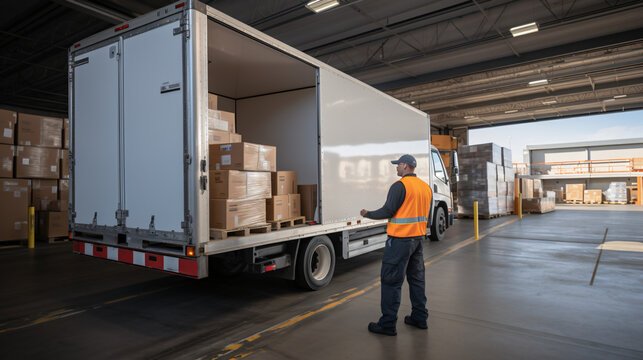
If congestion, detention, fuel consumption, or excessive deadhead reduces your margin, the load may not be worth taking. This is why seasonal freight rates trucking decisions should consider more than the advertised gross rate. Look at the complete trip, including the destination and potential reload. Another important consideration is the post-holiday slowdown. After the major retail rush, certain freight markets can cool quickly. Good seasonal freight rates trucking planning includes a strategy for leaving a peak market before demand falls sharply. A dispatcher can help monitor both current opportunities and changing market conditions. This can make it easier to reposition the truck before freight volume weakens.
Winter Weather and Its Effect on Flatbed and Specialized Freight
Weather is another important influence on seasonal freight rates trucking. Winter conditions can affect transportation capacity, transit times, construction activity, and the movement of specialized freight. Flatbed carriers can be particularly affected because construction and outdoor industrial activity may slow in regions experiencing severe winter weather. At the same time, some specialized freight can become more active when businesses need equipment, materials, supplies, or other time-sensitive shipments. Snow, ice, freezing temperatures, and severe storms can also reduce available capacity. Drivers may face road closures, slower speeds, chain requirements, and difficult pickup or delivery conditions.
These factors can affect seasonal freight rates trucking in different ways depending on the lane. One market may experience lower freight demand, while another may have tighter capacity because trucks are avoiding difficult conditions. For owner operators, winter planning should therefore go beyond watching rates. Safety, equipment preparation, fuel planning, realistic transit times, and weather monitoring are all important.
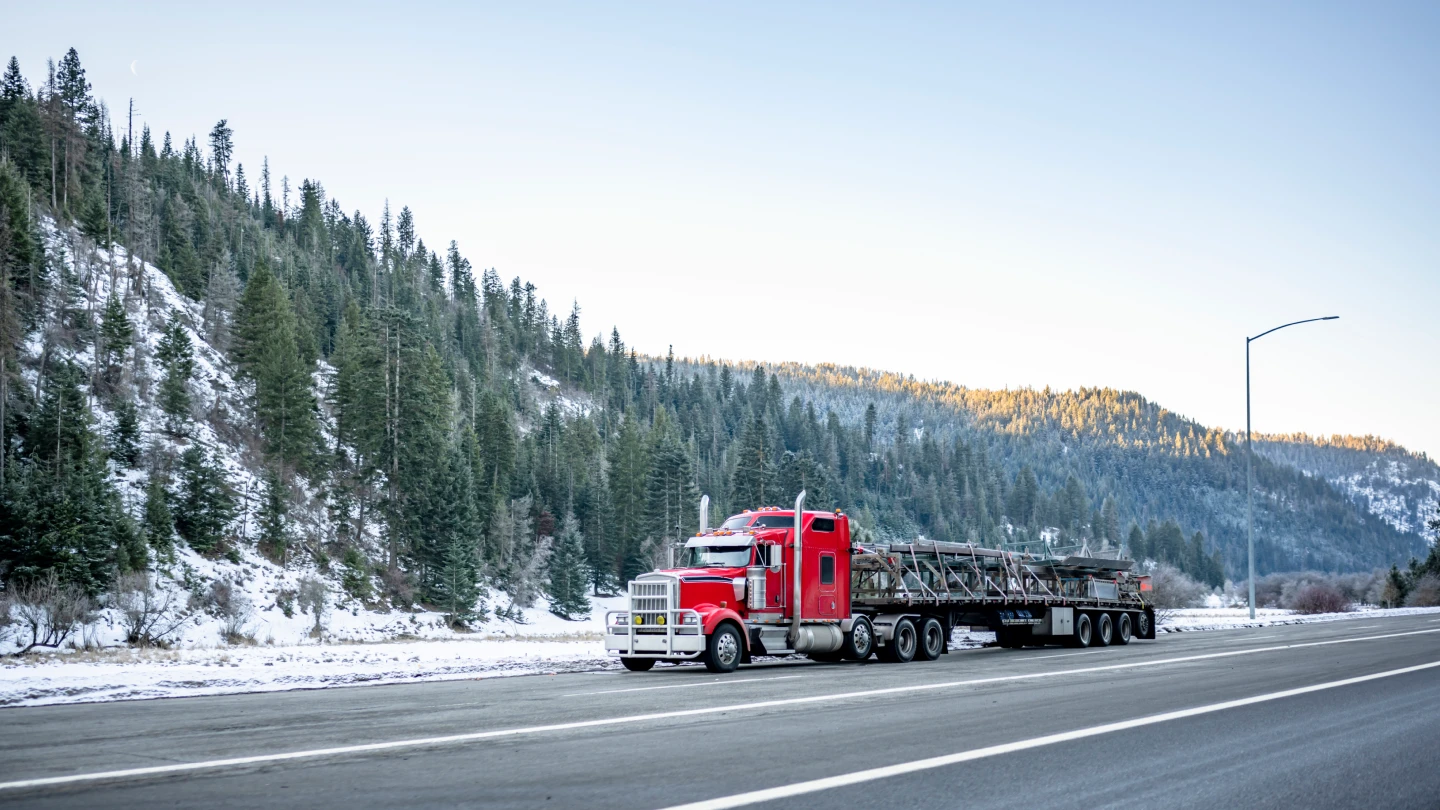
Winter can also affect equipment types differently. Construction-related flatbed freight may slow in colder areas, while manufacturing, energy, infrastructure, or emergency-related freight may continue moving. Understanding these differences makes seasonal freight rates trucking information more useful. Instead of assuming winter is automatically a slow season, evaluate specific regions, equipment types, and commodities.
How to Plan Your Year Around Seasonal Demand
Successful seasonal freight rates trucking planning starts before the peak season arrives. Owner operators should build a yearly strategy around expected changes in freight demand while remaining flexible enough to respond to real-time conditions. Start by identifying markets that typically become stronger during different parts of the year. Agricultural regions may become important during produce seasons. Retail-heavy markets can become more active before the holidays. Construction and industrial markets may follow their own seasonal cycles.
Next, consider your equipment. Your trailer determines which freight opportunities you can accept. A reefer carrier may approach produce season differently from a flatbed carrier, while a dry van operator may find opportunities in retail and consumer-goods freight. Your seasonal freight rates trucking plan should also account for operating expenses. Higher gross revenue does not automatically equal higher profit. Fuel, maintenance, insurance, tolls, permits, deadhead, and other operating costs all affect your bottom line.
Consider using a simple quarterly planning process:
Before the season: Research expected demand and identify potential target markets.
As demand builds: Position your truck toward areas showing stronger freight activity.
During the peak: Prioritize profitable reloads and minimize unnecessary deadhead.
Before the slowdown: Start planning your repositioning strategy.
After the peak: Review performance and update your strategy for the next cycle.
This approach makes seasonal freight rates trucking less reactive. Instead of changing your strategy after rates move, you prepare for the factors that may influence demand. It is also important not to become too dependent on one market. Freight conditions can change because of weather, inventory levels, economic conditions, fuel prices, port activity, and unexpected disruptions.

Your seasonal freight rates trucking strategy should therefore be directional rather than rigid. Historical trends can provide a useful starting point, but decisions should also reflect current load availability and operating economics. Tracking your own performance can make your strategy even more effective. Record which lanes generated strong revenue, how much deadhead you experienced, how quickly you found reloads, and which seasons created the best opportunities for your equipment. Over time, this information can make seasonal freight rates trucking decisions more specific to your business instead of relying entirely on broad industry assumptions.
How OIG Adjusts Strategy by Season
At OIG Dispatch, seasonal freight rates trucking is considered as part of a broader dispatch and planning strategy. The objective is not simply to find a high-paying load today. It is to consider where the truck is going, what opportunities may exist after delivery, and how changing demand could affect the next move. Seasonal changes can influence how dispatchers evaluate lanes and reload opportunities. Produce season may require closer attention to agricultural markets. Q4 may increase focus on retail and distribution freight. Winter may require more consideration of weather risks and regional demand.
A proactive seasonal freight rates trucking approach also considers the carrier’s equipment, preferred lanes, operating costs, home-time needs, and schedule. There is no universal strategy that works for every truck. A lane that makes sense for one owner operator may not work for another because of equipment type, fuel costs, home-time requirements, or destination preferences.
That is why seasonal freight rates trucking planning should be personalized. The right strategy combines market awareness with an understanding of the individual carrier’s business. OIG Dispatch focuses on helping carriers identify freight opportunities while considering the bigger picture of their operation. For more information about dispatch services and how OIG can support your trucking business, visit the OIG Dispatch homepage.
The biggest advantage of seasonal planning is preparation. When a carrier understands that freight demand can change throughout the year, it becomes easier to make decisions before a market becomes crowded.

Frequently Asked Questions
What are seasonal freight rates in trucking?
Seasonal freight rates trucking refers to recurring changes in trucking demand and pricing patterns associated with specific times of the year. Produce seasons, holidays, weather, construction cycles, and other recurring events can influence freight availability and capacity.
When are trucking rates usually highest?
There is no single highest period for every lane or equipment type. Seasonal freight rates trucking patterns vary by region, equipment, commodity, and current market conditions. Produce season and the Q4 retail period can create stronger demand in certain markets, but actual rates depend on supply and demand at the time.
Does produce season only affect reefer carriers?
No. Reefer carriers are often directly affected, but seasonal freight rates trucking changes can spread through broader freight networks. Dry van and other equipment types may also experience changes as trucks reposition and distribution activity increases.
Are trucking rates higher during the holidays?
Holiday demand can create stronger freight activity, particularly before major shopping periods. However, seasonal freight rates trucking conditions vary by lane and timing. Rates can also change quickly after the holiday peak.
How can owner operators prepare for seasonal rate changes?
Owner operators can monitor recurring freight patterns, identify target markets, control deadhead, plan maintenance, and work with a dispatcher who watches market conditions. Strong seasonal freight rates trucking preparation focuses on the entire trip rather than one load.
Does winter always mean lower trucking rates?
Not necessarily. Seasonal freight rates trucking patterns during winter depend on freight type, location, weather, and available capacity. Some construction-related freight may slow, while other industries can generate additional demand.
Should I change lanes during peak seasons?
Possibly, but lane changes should be based on the complete economics of the move. Seasonal freight rates trucking opportunities can be attractive, but a high-paying outbound load may not be worthwhile if the destination has poor reload options or creates excessive deadhead.
How far ahead should owner operators plan?
Start monitoring seasonal trends several weeks before an expected demand increase and adjust your strategy as real-time conditions develop. Seasonal freight rates trucking planning works best when long-term patterns and current market information are considered together.
Plan Ahead Instead of Chasing the Market
The trucking market changes throughout the year. Produce, retail, weather, construction, and regional demand can all influence freight availability and capacity. Understanding seasonal freight rates trucking patterns gives owner operators a better framework for deciding where to position their trucks and when to adjust their strategy. It does not guarantee a particular rate, but it can help carriers make more informed decisions. The key is to plan before the market moves. Watch seasonal demand, understand your equipment, evaluate reload opportunities, control deadhead, and keep your strategy flexible.
Want a dispatcher who plans ahead with the seasons? Onboard your truck.