



Hotshot Trucking Dispatch: How It Works and Who It’s For
Hotshot trucking runs differently than standard OTR — and so should your dispatcher. If you’re pulling a gooseneck or flatbed with a Class 3-5 truck, the loads, the lanes, and the customers you’re chasing look nothing like what a standard freight dispatcher is used to booking. That mismatch is exactly why so many hotshot owner-operators end up frustrated with dispatch services that were built for 53-foot trailers instead of a real hotshot trucking dispatch operation. This guide breaks down how hotshot trucking dispatch actually works, what separates it from standard freight dispatch, and what to look for if you’re evaluating a hotshot trucking dispatch partner for your equipment.
What Counts as Hotshot Freight?
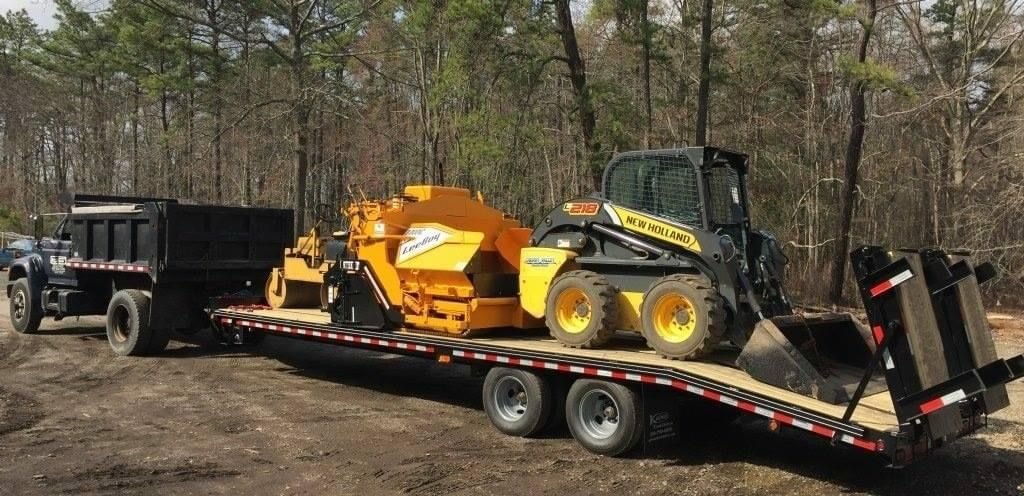
Hotshot freight is time-sensitive, often oversized or specialized cargo that doesn’t need a full-size semi to move it, but does need the speed and flexibility that hotshot trucking dispatch is built around. Think construction equipment, farm machinery, oilfield equipment, building materials, and machinery parts that need to get somewhere fast — sometimes same-day or next-day.
The freight itself tends to fall into a few recurring categories that any hotshot trucking dispatch operation has to know well:
- Construction and heavy equipment — skid steers, mini excavators, generators, compressors
- Agricultural equipment — tractors, implements, and farm machinery moving between dealers, auctions, and job sites
- Oil and gas equipment — pumps, tanks, and drilling components, especially in Texas, Oklahoma, and the Permian Basin
- Building materials — steel, lumber, trusses, and prefab components headed to job sites on tight schedules
- LTL and expedited freight — smaller loads that need to move faster than a traditional LTL network allows
What ties all of this freight together is urgency. Hotshot trucking dispatch is built around moving loads that can’t wait for the next scheduled truck — which is a completely different booking problem than filling a 53-foot trailer over a week.
Class 3-5 Truck Requirements and Typical Loads
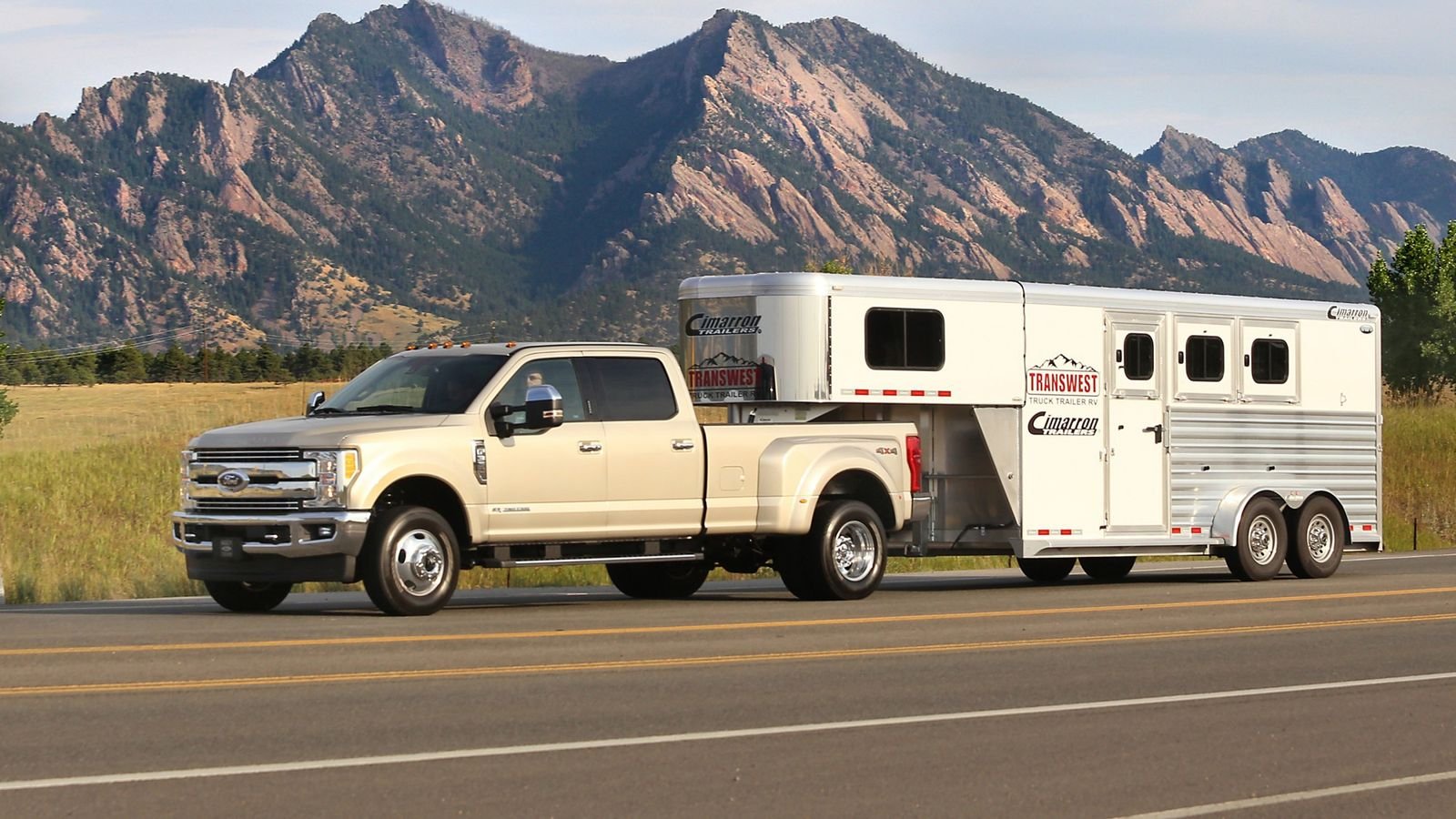
Hotshot trucking is defined as much by the equipment as by the freight, which is why hotshot trucking dispatch has to account for the truck itself, not just the load. Most hotshot operators run a Class 3, 4, or 5 truck — a heavy-duty pickup like a Ford F-350, F-450, F-550, Ram 3500, or Ram 4500/5500 — pulling a gooseneck, tilt-deck, or bumper-pull trailer. That equipment class comes with real regulatory and practical implications that any hotshot trucking dispatch process has to account for:
- Weight thresholds matter. Depending on the combined weight of the truck and trailer, an operator may or may not need a CDL, may or may not fall under DOT number requirements, and may or may not need to comply with Hours of Service rules. Hotshot trucking dispatch needs to know these thresholds cold, because they change what freight is even legal to book.
- Trailer length limits the freight. Most hotshot trailers run 30 to 40 feet, which rules out the longest flatbed loads but opens up a lane of freight too small or too urgent for a full-size flatbed carrier.
- Payload capacity is tighter. A Class 4 or 5 truck and trailer combination typically hauls somewhere between 10,000 and 20,000 pounds, depending on configuration — far less than a standard tractor-trailer, which changes what loads are even worth booking through hotshot trucking dispatch.
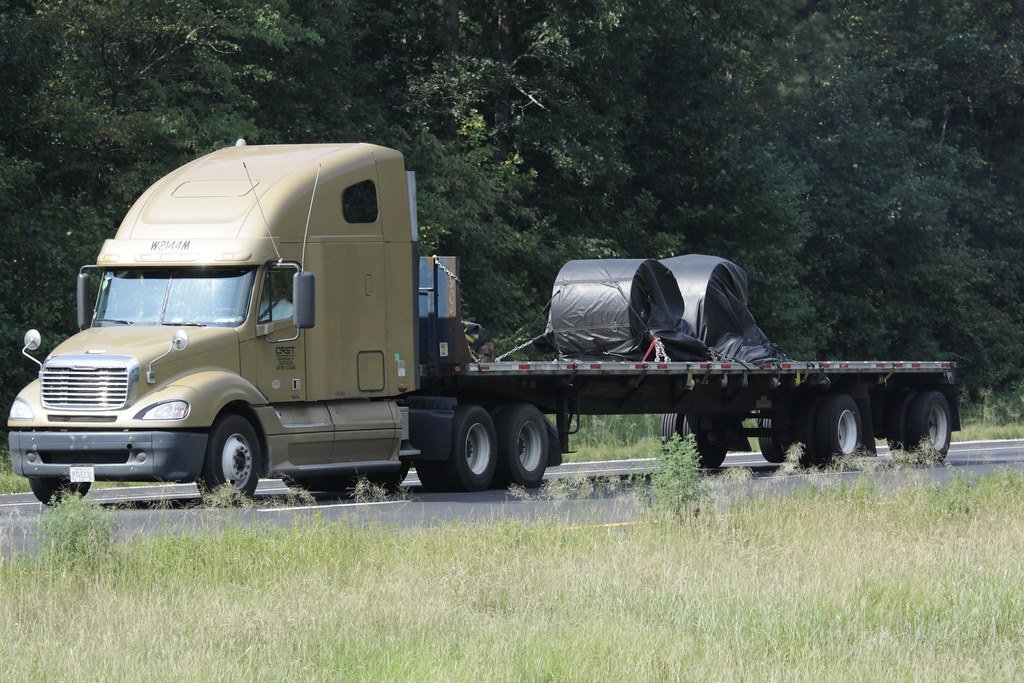
- Tarping, chains, and straps are part of the job. Because so much hotshot freight is flatbed-style, securement requirements come up on nearly every load that moves through hotshot trucking dispatch.
This is also where a solid grasp of flatbed fundamentals pays off — if you haven’t already, it’s worth reviewing our Flatbed Dispatch page for more on securement, tarping, and flatbed-specific booking practices, since a lot of that overlaps directly with hotshot trucking dispatch work.
How Hotshot Dispatch Differs from Standard Dispatch
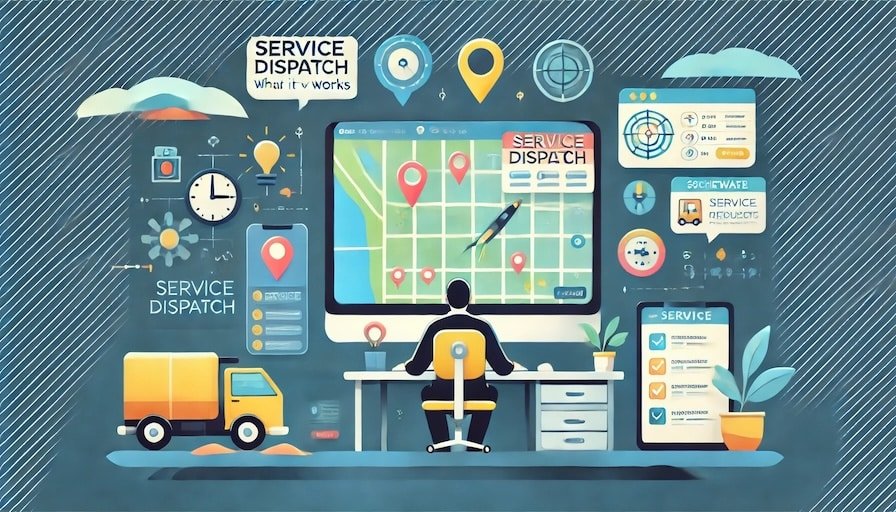
This is the part that trips up a lot of owner-operators who switch from van or standard flatbed work into hotshot trucking. Hotshot trucking dispatch isn’t just a smaller-scale version of standard dispatch — it’s a different discipline with its own rhythm, tools, and customer base. Speed of booking. Standard OTR dispatch often works on a planning horizon of a few days. Hotshot loads frequently need to be booked and moving within hours, which is exactly why speed has to be built into the process. A dispatcher handling hotshot trucking dispatch has to be reachable and responsive in a way that a slower-moving van dispatch operation doesn’t require
. Load boards and sourcing. While standard freight gets posted broadly, a lot of hotshot freight moves through niche load boards, direct shipper relationships, and equipment dealer networks — auctions, rental yards, and oilfield service companies that need something moved right now. Effective hotshot trucking dispatch means knowing where this freight actually lives, not just running the same boards everyone else uses.
Rate negotiation looks different. Hotshot rates are often quoted per load or per mile with a premium built in for urgency, rather than negotiated off a standard rate confirmation. A dispatcher unfamiliar with hotshot trucking dispatch may undervalue loads simply because they’re pricing them like standard flatbed freight instead of accounting for the expedited nature of the work. Weight and legality checks are constant. Because Class 3-5 trucks operate closer to weight and CDL thresholds, every load has to be checked against what the truck and trailer combination can legally and safely haul. This isn’t a one-time check — it’s part of every single booking decision in hotshot trucking dispatch.
Home time and lane patterns differ. Hotshot operators often run tighter regional or regional-plus lanes rather than long coast-to-coast routes, chasing freight in oil and gas corridors, construction-heavy regions, or agricultural hubs. Good hotshot dispatch has to be built around that pattern instead of a standard OTR grid. If you’re weighing whether to run hotshot as an owner-operator versus leasing on, it’s worth a look at our Owner Operator page, which covers how dispatch relationships, lease terms, and load selection tie together regardless of equipment class.
Best Lanes and Load Types for Hotshot Operators
Not every region produces the same volume of hotshot freight, and knowing where to position a truck matters as much as booking the individual load. A few patterns that tend to hold up for hotshot trucking dispatch:
- Texas, Oklahoma, and the broader Permian Basin — oilfield equipment and support freight run heavy here, and the urgency of oilfield operations creates consistent demand for expedited hauling
- The Southeast and Midwest construction corridors — steel, equipment, and building materials moving to job sites keep hotshot freight steady in growing metro areas
- Agricultural regions during planting and harvest seasons — farm equipment moves in bursts, and dealers and auction houses need trucks that can respond fast
- Equipment auction hubs — locations near major equipment auctions generate recurring loads for hotshot capacity
Hotshot trucking dispatch that understands these seasonal and regional patterns will track them and position bookings accordingly, rather than treating every lane as interchangeable. Since many hotshot loads move on open-deck trailers, carriers can also benefit from Flatbed Dispatch Services when hauling construction materials, steel products, machinery, and oversized freight.
What to Look for in a Hotshot Dispatch Service
If you’re evaluating hotshot trucking dispatch support, a few things separate a partner who understands the niche from one who’s just applying standard freight practices to smaller equipment. Equipment-specific knowledge. Ask directly whether the hotshot trucking dispatch team understands Class 3-5 weight thresholds, gooseneck versus bumper-pull considerations, and the legal distinctions between CDL and non-CDL hotshot operations. A generic answer here is a red flag. Access to the right freight sources. Hotshot trucking dispatch depends on sourcing loads from niche boards and direct relationships, not just the same broad boards every carrier checks. Ask what sources they actually use for hotshot-specific freight.
Responsiveness. Because hotshot freight moves on short notice, hotshot trucking dispatch needs to be reachable in real time — not just during standard business hours. If a load comes up at 6 p.m. that needs to move that night, can your dispatcher actually respond? Rate transparency. A good hotshot trucking dispatch partner should be able to explain how a rate was calculated, including any premium for urgency, deadhead, and load complexity — not just hand you a number.
Understanding of your growth path. Some hotshot operators want to stay small and nimble; others want to scale into a larger flatbed operation over time. A hotshot dispatch partner should be able to support either path rather than pushing every operator toward the same model. For many independent drivers, partnering with a trusted hotshot trucking dispatch provider results in higher utilization, fewer empty miles, and more consistent cash flow over time. If you’re looking for reliable dispatch support across different equipment types, visit the Truck Dispatch Services page for a complete overview of available dispatch solutions.
Fuel, Deadhead, and Margins in Hotshot Work
Profitability in hotshot work comes down to a handful of variables that a good dispatch partner should be actively managing, not just a rate on a load confirmation. Fuel costs hit smaller trucks differently than a full-size tractor, and a Class 4 or 5 truck towing a loaded gooseneck can see fuel economy swing significantly depending on load weight, wind, and terrain. That variability needs to be factored into what a load is actually worth before it’s booked, not figured out after the fact.
Deadhead miles matter even more in this niche than in standard flatbed work, simply because hotshot lanes tend to be shorter and more regional. A load that pays well on paper can turn into a break-even trip once 150 empty miles back to a load zone are factored in. A dispatcher who’s actually good at this niche will chain loads together, or at least be upfront about deadhead exposure, rather than booking single loads in isolation.
Maintenance costs also look different. Running a heavy-duty pickup hard, day after day, with a loaded trailer behind it, wears components faster than a lighter-duty use case would suggest. Operators who track cost-per-mile closely, including maintenance and depreciation, tend to have a much clearer picture of which lanes and load types are actually worth chasing versus which ones just look good at first glance. None of this is unique to any one operator — it’s the same math every owner-operator in this space has to run. The difference is whether a dispatcher is helping with that math or just passing along whatever rate a broker quotes.

FAQ
Do I need a CDL to run hotshot loads?
It depends on the combined weight of your truck and trailer, along with the weight of the load itself. Many hotshot combinations fall under 26,001 pounds gross combination weight and don’t require a CDL, but crossing that threshold does trigger CDL and other regulatory requirements. Hotshot trucking dispatch should be able to walk through this with you based on your specific setup.
What size trailer is typical for hotshot trucking?
Most hotshot operators run 30 to 40 foot gooseneck, tilt-deck, or bumper-pull trailers. The exact size depends on the truck’s towing capacity and the type of freight being hauled most often.
Is hotshot trucking more profitable than standard OTR?
It can be, largely because of the urgency premium built into many hotshot rates. But margins depend heavily on fuel costs, deadhead miles, and how consistently hotshot trucking dispatch can keep the truck loaded with freight that matches its capacity.
What’s the difference between hotshot dispatch and flatbed dispatch?
There’s overlap, since a lot of hotshot freight is flatbed-style and requires similar securement knowledge. The difference is scale and urgency — hotshot trucking dispatch deals with smaller equipment, tighter weight thresholds, and a faster booking timeline than standard flatbed dispatch typically requires.
Can I switch between hotshot and standard flatbed freight?
Some operators do move between the two, especially if they upgrade equipment over time. It’s worth talking through with your hotshot trucking dispatch partner, since the freight sourcing and rate structures differ enough that the transition isn’t always seamless.
Ready to Get Started?
Run hotshot? OIG dispatches for your equipment class too.
Whether you’re an owner operator or building a growing fleet, our dispatch team works to help carriers find quality freight, negotiate competitive rates, and keep trucks moving efficiently.
👉 Onboard Your Truck today to learn how OIG Dispatch can support your business.