


Owner Operator Insurance Requirements: A 2026 Guide
When you are an owner operator, having the right insurance is not just about protecting your truck and business. It can determine whether a broker will book your next load. Understanding owner operator insurance requirements before you start hauling can help prevent rejected carrier packets, delayed bookings, and unnecessary downtime. For interstate for-hire property carriers operating vehicles with a GVWR of 10,001 pounds or more, FMCSA lists a $750,000 minimum level of public liability coverage for non-hazardous property transportation. However, insurance requirements can vary depending on your authority, cargo, vehicle, and operation.
That is why owner operator insurance requirements should be reviewed before your authority becomes active and again whenever your operation changes. This guide explains the basics of owner operator insurance requirements in 2026, including liability coverage, cargo insurance, non-trucking liability, broker expectations, and the paperwork you need to keep ready.
Important: This article is general educational information, not legal or insurance advice. Your exact owner operator insurance requirements can depend on your operation, state, authority, equipment, cargo, and contracts. Confirm your coverage with a qualified commercial trucking insurance provider.

Minimum Insurance Requirements for Owner Operators
The first step in understanding owner operator insurance requirements is separating federal minimums from the coverage that brokers, shippers, lenders, or other business partners may request.
For many interstate for-hire property carriers operating vehicles with a GVWR of 10,001 pounds or more and transporting non-hazardous property, the FMCSA minimum public liability requirement is $750,000.
The amount can be different for certain hazardous materials. FMCSA’s current insurance filing chart lists $1 million or $5 million requirements for specific hazardous-material operations.
So, when reviewing owner operator insurance requirements, do not assume that one coverage limit applies to every trucking business.
Primary Liability Insurance
Primary liability is one of the most important parts of owner operator insurance requirements. It generally provides protection for covered bodily injury and property damage claims arising from the operation of a commercial motor vehicle. For a typical interstate for-hire property carrier hauling non-hazardous freight in a qualifying vehicle, the federal minimum is $750,000.
Your insurer generally handles the required federal filing. FMCSA states that carriers should not submit insurance certificates directly to the agency; the insurance company submits the applicable filings electronically. This distinction matters because having an insurance policy is not necessarily the same thing as having the required filing properly recorded with FMCSA.

Cargo Insurance
Cargo insurance protects against covered loss or damage involving freight in transit, subject to the terms, exclusions, and limits of the policy. One important point about owner operator insurance requirements is that federal cargo-insurance requirements are not identical for every property carrier. FMCSA says household-goods carriers and household-goods freight forwarders are required to maintain cargo insurance, while most other for-hire motor carriers of property do not have a federally prescribed cargo-insurance minimum.
That does not mean a general freight carrier can ignore cargo coverage. Brokers and shippers may require it as part of their carrier qualification process. Your insurance provider can tell you what cargo coverage makes sense for the freight you actually haul.
Primary Liability vs. Non-Trucking Liability — What’s the Difference?
Understanding the difference between these policies is an important part of owner operator insurance requirements.
Primary liability is generally associated with the commercial operation of your truck and is the coverage tied to the public liability financial-responsibility requirements that apply to regulated motor carriers.
Non-trucking liability, sometimes called bobtail liability in certain contexts, is different. It is generally intended for certain situations when the truck is being operated for non-business purposes. The exact coverage depends on the policy language. These terms should not be treated as interchangeable.

For example, an owner operator might have primary liability coverage for covered business operations but also need to understand what happens when the truck is being driven outside the scope of the carrier’s business. The answer depends on how the truck is operated, the lease arrangement, and the actual policy. That is why owner operator insurance requirements should always be reviewed with your insurance provider rather than choosing coverage based only on a generic online checklist.
A few questions to ask your agent include:
- What primary liability limit applies to my operation?
- Does my policy meet the applicable FMCSA financial-responsibility requirement?
- What cargo coverage does my operation need?
- When does non-trucking liability apply?
- Are there exclusions that could affect the freight I plan to haul?
- Does my policy cover my specific equipment and operating arrangement?
- What information should appear on my certificate of insurance?
Getting these answers before accepting freight can make your owner operator insurance requirements much easier to manage.
What Brokers Typically Require Beyond FMCSA Minimums
Federal minimums are only one part of owner operator insurance requirements in the real-world freight market. A broker may have its own carrier-qualification standards. The broker might request a certificate of insurance showing specific limits, cargo coverage, additional insured status where applicable, or particular certificate-holder information. The exact requirements can vary from one broker to another.
For example, a broker may be comfortable with your federal liability minimum while another broker may require a higher limit as a condition of doing business. Certain freight, shippers, facilities, or contracts can also come with additional insurance requirements. This is why an owner operator should not think of owner operator insurance requirements as one fixed number.

Instead, think of them as three layers:
- Federal requirements — the financial-responsibility requirements applicable to your authority and operation.
- State or operational requirements — additional rules that may apply depending on where and how you operate.
- Broker or shipper requirements — contractual or carrier-qualification standards that may be higher than federal minimums.
FMCSA specifically notes that insurance requirements can vary according to entity type, operating authority, cargo type, and vehicle type. This makes it especially important to confirm owner operator insurance requirements before expanding into a new type of freight. For example, switching from general dry-van freight to specialized or hazardous-material transportation can change the applicable insurance requirements.
Common Reasons Carriers Get Flagged or Dropped Over Insurance
Even when a carrier has insurance, paperwork problems can create delays. One common issue is an insurance policy that does not meet the broker’s required limits. Another is a certificate that contains outdated information or does not reflect the carrier’s current policy.
Common problems related to owner operator insurance requirements include:
1. Coverage Is Below the Broker’s Requirement
Your policy may satisfy one standard but fail a particular broker’s requirements. A broker can choose not to use a carrier if its insurance limits do not meet the broker’s qualification standards.
2. Policy Has Expired
Insurance expiration dates are easy to overlook. A carrier may continue looking for loads without realizing that its certificate has expired or needs updating.
3. Incorrect Certificate Information
Errors involving the legal business name, address, policy number, effective dates, or certificate holder can create additional verification work.
4. New Policy Has Not Been Properly Filed
FMCSA explains that insurance companies are responsible for submitting required insurance filings. A carrier should therefore confirm with its insurer that the required filing has been completed.
5. Coverage Does Not Match the Operation
A policy may not be suitable for a carrier that changes equipment, cargo, operating authority, or business structure. These issues are why reviewing owner operator insurance requirements should be part of your regular carrier-maintenance routine, not something you do only when a broker rejects a packet.
How OIG Verifies and Keeps Your Paperwork Broker-Ready
For an owner operator, understanding owner operator insurance requirements is only half the job. The next step is making sure your documents are ready when a broker asks for them.
OIG Dispatch works with owner operators on load finding, broker communication, and paperwork. Its onboarding information lists valid commercial trucking insurance among the documents carriers need, and its service pages describe handling broker setup paperwork and certificate-of-insurance requests. When your insurance information is current and organized, it becomes easier to respond when a broker asks for a carrier packet. A broker-ready insurance file should generally include current information such as:
- Legal carrier name
- USDOT and MC information
- Insurance company
- Policy number
- Coverage limits
- Effective and expiration dates
- Certificate of insurance
- Applicable cargo coverage
- Any other documents requested by the broker
Keeping these documents updated can reduce the chance that an otherwise good load gets delayed because someone is waiting for an insurance certificate.
OIG can also help manage broker communication and carrier paperwork as part of its dispatch process. (OiG Dispatch) For new carriers, this can be particularly useful. OIG says it works with new MC authority carriers and requires active authority, valid commercial trucking insurance, a signed carrier packet, and a completed W-9 to get started. If you are still getting your authority and documentation together, you can learn more through OIG’s New MC Dispatch services.
The goal is simple: your owner operator insurance requirements should be satisfied and your documentation should be easy to provide when a broker requests it.
A Simple Insurance Readiness Check
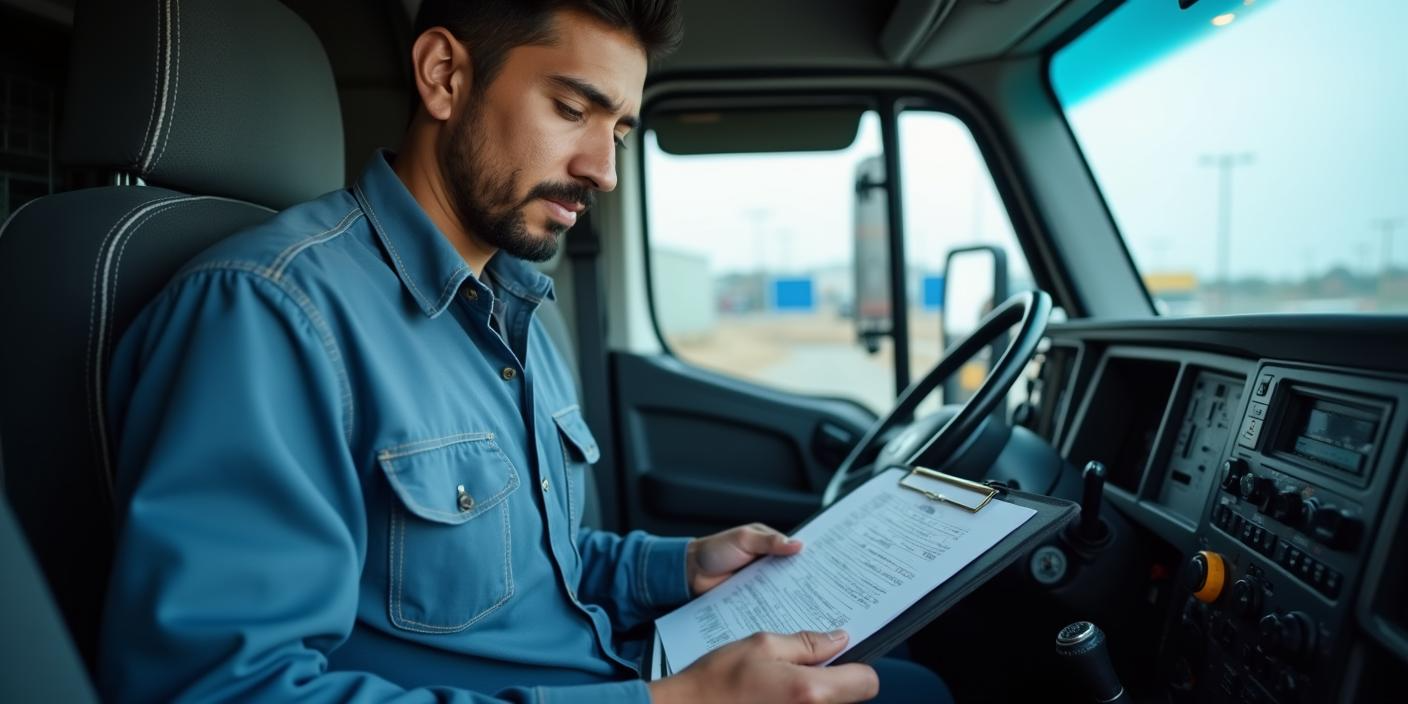
Before booking your next load, review your owner operator insurance requirements against your current operation.
Ask yourself:
- Is my primary liability coverage active?
- Does my coverage meet the applicable federal minimum?
- Does my policy match the type of freight I haul?
- Is my cargo coverage sufficient for the requirements I encounter?
- Is my certificate of insurance current?
- Are my business name, MC number, and other details accurate?
- Has my insurer completed any required FMCSA filing?
- Do my regular brokers require limits above the federal minimum?
- Has anything about my equipment or operation changed?
If you cannot answer these questions confidently, contact your insurance provider before accepting another load.

FAQ: Owner Operator Insurance Requirements
What are the basic owner operator insurance requirements?
For many interstate for-hire property carriers operating vehicles with a GVWR of 10,001 pounds or more and hauling non-hazardous property, the FMCSA public-liability minimum is $750,000. Other operations can have different requirements.
Is $750,000 always enough?
No. The $750,000 figure applies to a specific category of for-hire property carriers. Certain hazardous-material operations have higher federal minimums, and brokers may request higher limits.
Your exact owner operator insurance requirements should be confirmed with your insurance provider.
Do owner operators need cargo insurance?
Federal cargo-insurance requirements depend on the type of operation. FMCSA specifically requires cargo insurance for household-goods carriers, while most other for-hire property carriers do not have a federally prescribed cargo minimum.
However, brokers may still require cargo coverage as part of their carrier-qualification process.
Is non-trucking liability required?
Non-trucking liability is separate from the federal primary-liability requirement. Whether you need a particular policy or endorsement depends on your operating arrangement and insurance policy. Ask your insurance provider how your non-business truck use is covered.
Does my insurance company file with FMCSA?
For required insurance filings, the insurance company or authorized filer submits the filing electronically. FMCSA advises carriers not to submit insurance certificates directly to the agency.
Can a broker require more insurance than FMCSA?
A broker may establish its own carrier-qualification requirements or work under shipper requirements that exceed federal minimums. Therefore, meeting federal owner operator insurance requirements does not automatically guarantee that every broker will accept your carrier packet.
What happens if my insurance expires?
An expired policy can create serious operational and broker-qualification problems. Review your expiration dates regularly and contact your insurer before renewal so your coverage and required filings remain current.
Where can I learn more about OIG’s requirements?
You can review the OIG FAQ page for information about carrier onboarding, insurance, authority, and dispatch requirements. OIG states that carriers need active USDOT/MC authority, valid commercial trucking insurance, a signed carrier packet, and a W-9 to get started.
Keep Your Insurance Ready Before the Load
Understanding owner operator insurance requirements can save you from avoidable delays when you are trying to get freight booked. The key is to separate federal minimums from broker-specific requirements and keep your insurance documents current.
For many interstate non-hazardous property carriers operating qualifying commercial vehicles, $750,000 is the federal public-liability minimum. But your specific owner operator insurance requirements can change based on cargo, equipment, authority, and other factors. Do not rely on a generic checklist to determine your exact coverage. Confirm your owner operator insurance requirements with your insurance provider and make sure your filings and certificates are current. Once your authority, insurance, and carrier documents are ready, the next challenge is finding and booking the right freight.
OIG keeps your paperwork broker-ready so nothing holds up your first load. Learn more about OIG’s New MC Dispatch service and get your carrier moving with dedicated dispatch support.