



Power Only Dispatch: Is It Right for Your Trucking Business?
More carriers are skipping the trailer investment altogether and running power only dispatch instead of buying and maintaining their own equipment. It’s a quiet shift, but it’s a real one. Instead of parking a $30,000+ trailer on the lot and hoping it earns its keep, owner-operators are hooking up to a shipper’s or broker’s trailer, hauling it to destination, dropping it, and picking up the next one. No trailer payment. No trailer upkeep. Just this arrangement and the open road. But this dispatch model isn’t automatically the right call for every carrier.
It works beautifully for some fleets and creates headaches for others. Before you restructure your operation around this model, it’s worth understanding exactly what it is, who it fits, and what to look for in a service that actually gets you paid on time.
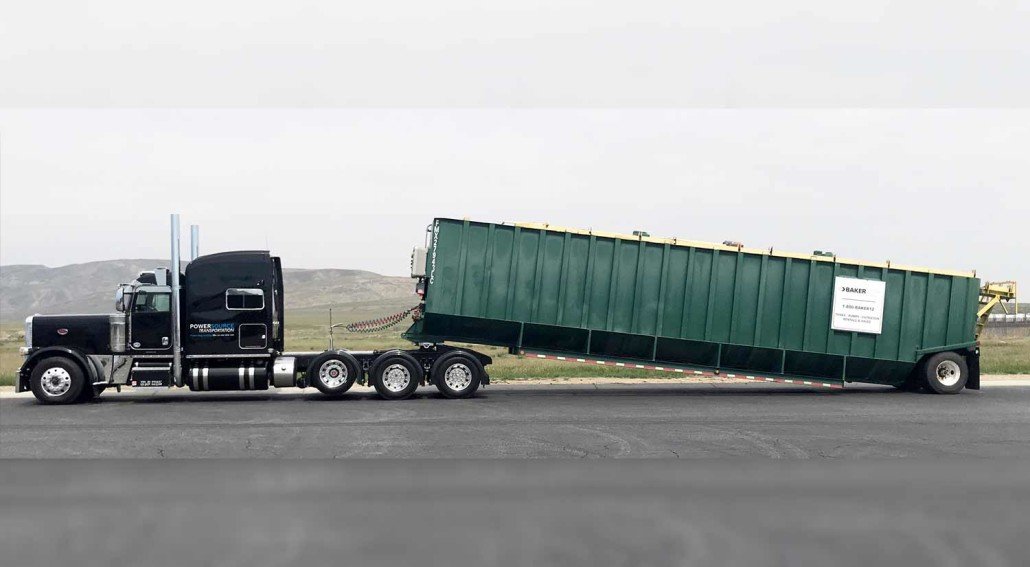
This post walks through all of it — the good, the bad, and the practical checklist you need before your truck goes power only. Whether you’re an experienced owner-operator looking to diversify your freight options or a growing fleet searching for new revenue opportunities, learning about power only dispatch can help you make smarter business decisions. Working with a professional truck dispatch company can also simplify the process by helping you secure quality loads, negotiate competitive rates, and minimize empty miles.
What Is Power Only Dispatch?
Power only dispatch is a freight arrangement where a carrier provides the tractor and driver only — the “power” — while the trailer belongs to someone else: a shipper, a broker, a leasing company, or a drop-and-hook network. The carrier hooks to a loaded (or empty) trailer, hauls it to the delivery point, drops it, and either bobtails home or picks up another trailer for the next load. In a traditional dispatch model, the carrier owns the trailer for the life of the load and often well beyond it. With this arrangement, the trailer is essentially borrowed for the duration of the haul.
That single difference changes almost everything about how the business runs: less capital tied up in equipment, more flexibility in what kind of freight you can accept, and a different set of risks to manage. This model has grown alongside e-commerce and retail drop-trailer programs, where shippers keep a pool of trailers at their docks and simply need trucks to move them. It’s also common in intermodal and drayage-adjacent freight, and increasingly in dry van and refrigerated networks where large shippers want predictable capacity without owning a fleet of trucks themselves.
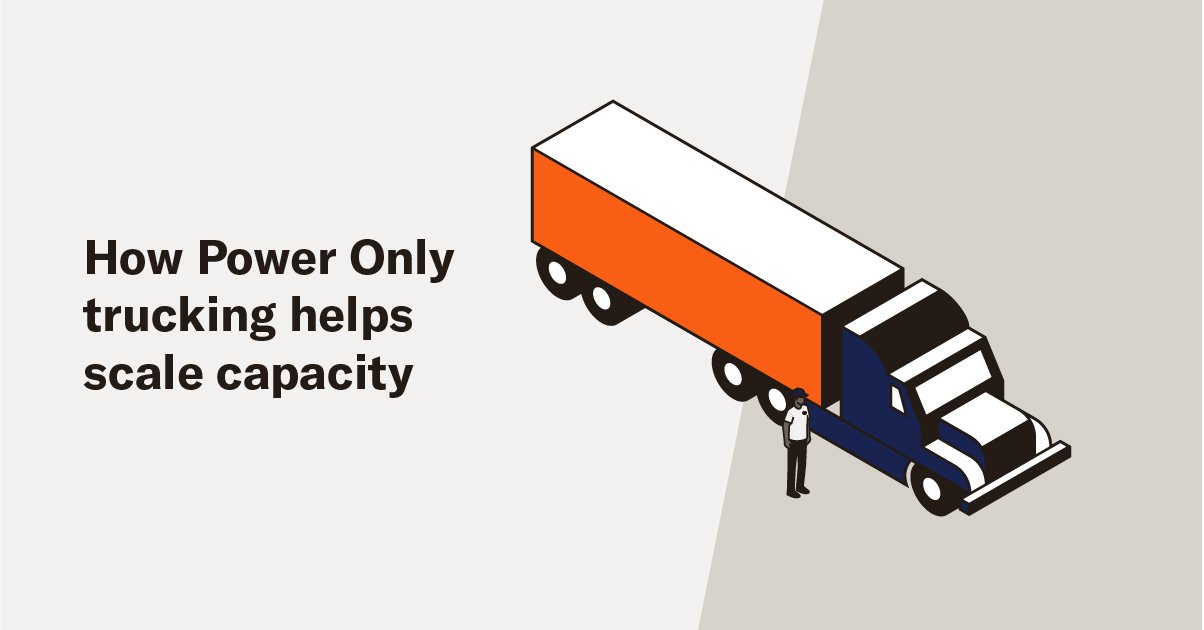
Who Power Only Dispatch Is Best Suited For
Power only dispatch isn’t a universal fit, but it lines up well with certain types of carriers and certain business goals.
Owner-operators without a trailer, or with an aging one. If your trailer is nearing the end of its useful life, or you never bought one in the first place, this model lets you generate revenue immediately without a five-figure purchase or lease.
Small fleets looking to scale without buying equipment. Adding a truck is a lot easier than adding a truck and a trailer. Running power only dispatch lets growing fleets add power units faster than they could add matched trailers, which speeds up how quickly a small carrier can scale.
Carriers who want to avoid trailer maintenance and DOT trailer inspections. Tires, brakes, lights, floors, roofs — trailers need constant upkeep. This arrangement shifts that maintenance burden to the trailer owner, which frees up time and cash for carriers who’d rather focus on driving than fixing.
Drivers running in drop-and-hook heavy regions or dedicated lanes. Power only dispatch shines in lanes with strong drop-trailer infrastructure — think major retail distribution corridors — where trailers are always waiting and turn times are fast.
Carriers diversifying away from a single freight type. Because you’re not locked into a dry van, reefer, or flatbed trailer you own, this setup gives you more flexibility to say yes to different freight types as opportunities come up.
Power only dispatch is generally a poorer fit for carriers who already own newer, paid-off trailers, or for those running specialized freight — oversized loads, certain flatbed commodities, or freight requiring specific trailer configurations — where matching with a random trailer isn’t practical. If that’s your lane, our Flatbed Dispatch page covers a model built around owning specialized equipment instead.
Pros and Cons vs. Owning Your Own Trailer
Like any dispatch model, this approach comes with real trade-offs. Here’s an honest look, the same way we broke down red flags in last month’s post.
Pros of Power Only Dispatch
- Lower upfront and ongoing costs. No trailer purchase, no trailer note, no trailer insurance line item eating into margin.
- Less maintenance responsibility. The trailer owner handles tires, brakes, lights, and repairs, so this arrangement reduces your shop bills and downtime.
- Faster scaling. Adding trucks under this model is simpler than sourcing matched trailers for every new truck.
- More freight flexibility. Without a dedicated trailer type tying you down, this setup opens the door to a wider mix of loads and brokers.
- Better cash flow for owner-operators. Capital that would’ve gone into a trailer can go toward fuel, insurance, or paying down the truck itself.
Cons of Power Only Dispatch
- Less control over equipment condition. You’re trusting someone else’s trailer, and a poorly maintained one can mean breakdowns, inspection violations, or delays that aren’t your fault but still cost you time.
- Detention and trailer availability risk. If a trailer isn’t ready when you arrive, this arrangement can leave you sitting — and not every broker compensates detention fairly.
- Rate variability. Rates on power only dispatch loads can run lower per mile than loads where you supply your own trailer, since you’re not covering trailer depreciation as part of your cost basis — but that also means your price should reflect a lower cost structure, not necessarily lower profit.
- Fewer specialized opportunities. This model generally locks you into standard van, reefer, or common trailer types rather than niche, higher-paying specialized freight.
- Dependency on the trailer network. Your schedule is partly at the mercy of the shipper’s or broker’s trailer pool, which means this setup requires trusting someone else’s logistics.
Weighed fairly, power only dispatch tends to favor carriers prioritizing flexibility and lower fixed costs over carriers prioritizing maximum control and premium specialized rates. Neither approach is universally better — it depends on your fleet size, your freight preferences, and how much capital you want tied up in trailers.
What to Look for in a Power Only Dispatch Service
Not every service in this space is built the same, and the quality of your dispatcher matters just as much as the freight itself. Here’s what separates a solid partner from one that will waste your time.
- Verified, consistent trailer availability. A good dispatch service should confirm trailer location and condition before you’re dispatched — not leave you guessing when you show up at the yard.
- Detention pay built into the agreement. Ask upfront how power only dispatch loads handle detention if a trailer isn’t ready. If there’s no clear policy, that’s a red flag.
- Transparent rate confirmations. Every load should come with a clear rate confirmation showing pickup, delivery, mileage, and pay — no vague verbal agreements.
- Broker vetting and credit checks. A dispatch service that runs power only dispatch loads should only be booking with brokers who pay reliably, ideally with fast-pay or factoring options available.
- Real communication during the haul. If a trailer swap falls through or a dock is backed up, you want a dispatcher who’s reachable, not one who disappears once the load is booked.
- A track record with power only dispatch specifically. This niche has its own quirks — drop-yard logistics, trailer pools, empty repositioning — and a dispatcher who’s only worked traditional freight may not know how to navigate them.
- Fair commission structure. Since rates on this type of freight can run tighter than loads with owned trailers, make sure the dispatch fee still leaves you with solid take-home pay.
Take your time vetting a power only dispatch partner the same way you’d vet any long-term business relationship. The right service should feel like a second set of eyes looking out for your bottom line, not just a load board with a phone number attached.

How OIG Sources Power Only Dispatch Freight
At OIG, this dispatch model isn’t an afterthought bolted onto a traditional dispatch model — it’s a dedicated part of how we build lanes for owner-operators and small fleets. We work directly with shippers and brokers who run active drop-trailer programs, so the freight we source under this model comes with verified trailer pools and known turn times, not guesswork. Before we ever dispatch a truck, we vet the broker’s payment history and confirm trailer condition and location, which cuts down on the wasted hours that give power only dispatch a bad name in some corners of the industry.
We also negotiate detention terms upfront on power only dispatch loads, so if a trailer isn’t ready when your driver arrives, there’s already an agreement in place rather than an argument. And because we run both this model and traditional dispatch side by side, we can help you figure out which mix of freight actually makes sense for your specific trucks — rather than pushing you into it just because it’s trending. If you’re weighing this option against buying your own trailer, our team can walk through the real numbers for your operation before you commit either way.
At OIG Dispatch, we focus on helping carriers spend less time searching for freight and more time on the road generating revenue. Our dispatch team works with trusted brokers, freight networks, and direct shipping partners to locate quality power only dispatch opportunities across the United States. Every load is reviewed to ensure it aligns with your preferred lanes, equipment, schedule, and business goals. If your operation also handles open-deck freight, our professional flatbed dispatch services can help you secure additional freight opportunities and reduce downtime.

FAQ: Common Power Only Dispatch Questions
Is power only dispatch profitable for owner-operators?
It can be, especially for owner-operators without a trailer or with high trailer maintenance costs. This arrangement removes trailer expenses from your cost structure, which often offsets the sometimes-lower per-mile rates.
Do I need special insurance for power only dispatch?
Yes — you’ll typically need trailer interchange coverage in addition to your standard liability and cargo insurance, since you’re hauling equipment you don’t own. Always confirm coverage requirements before accepting these loads.
What trailer types are most common in power only dispatch?
Dry van and refrigerated trailers dominate this space, since drop-trailer programs are most developed in retail and grocery distribution networks.
Can small fleets run both power only dispatch and traditional loads?
Absolutely. Many fleets split their trucks, running some on this model and others on dedicated trailer freight, to balance flexibility with higher-paying specialized loads.
How is power only dispatch different from drayage?
Drayage typically involves short-haul moves of intermodal containers to and from ports or rail yards. This arrangement is broader — it can involve any trailer type over any distance, as long as the carrier isn’t supplying the trailer.
Will power only dispatch rates keep dropping as it becomes more common?
Rates fluctuate with freight demand just like any other segment. As these networks mature and detention/accessorial standards improve, well-run programs tend to stabilize rather than race to the bottom.