



What Is a CSA Score and Why Does It Matter for Owner Operators?
One roadside inspection can follow you around for two years. That’s not an exaggeration. A single bad stop — a minor violation, a paperwork issue, a light that was out — gets logged into a federal system and stays on your record for 24 months, quietly shaping how brokers, insurance companies, and even law enforcement see your operation. For owner operators, understanding your CSA score in trucking isn’t optional homework. It’s part of running the business. This post breaks down what a CSA score actually is, how it’s calculated, what happens when it slips, and what you can realistically do to keep it in good shape.
What Is a CSA Score and Who Tracks It?
CSA stands for Compliance, Safety, Accountability. It’s the Federal Motor Carrier Safety Administration’s (FMCSA) system for measuring the safety performance of motor carriers and, in some cases, individual drivers. The goal, at least on paper, is to identify carriers that pose a higher safety risk so FMCSA can prioritize them for interventions — audits, warning letters, or in serious cases, out-of-service orders.

Here’s how it works in practice: every time a truck is inspected, any violations found get recorded in FMCSA’s Motor Carrier Management Information System (MCMIS). Those violations are weighted by severity and how recently they occurred, then rolled up into scores across seven categories, known as BASICs (more on those below). The result is your CSA score — a percentile ranking that compares your carrier against others in your same vehicle class and inspection volume.
A few things worth knowing up front:
- Your CSA score isn’t a single number. It’s a set of scores, one per BASIC category.
- Scores are based on a rolling 24-month window, so old violations age out over time.
- The data is public. Anyone — including brokers and shippers — can look up a carrier’s SMS (Safety Measurement System) profile through the FMCSA website.
- A high percentile is bad. It means you’re performing worse than that percentage of your peer group, not better.
That last point trips people up constantly, so it’s worth repeating: in CSA scoring, lower is better.
Why Should Owner Operators Care About CSA Score Trucking?
Some drivers assume that csa score trucking only matters for large fleets. In reality, owner operators often feel the impact even more because every inspection represents a larger percentage of their overall safety history. A single violation can influence your safety profile far more when you’re operating one truck compared to a fleet of hundreds. A healthy csa score trucking profile can contribute to:
- Greater broker confidence
- Improved business reputation
- Better opportunities to secure freight
- Stronger compliance history
- Reduced operational risk
On the other hand, repeated violations may lead to:
- Increased scrutiny during inspections
- Additional compliance reviews
- Difficulty establishing broker relationships
- Higher insurance costs
- Fewer available freight opportunities
Although dispatch companies cannot change or “fix” a carrier’s safety record, experienced dispatchers understand compliance expectations and help carriers stay organized by communicating with brokers that value reliable, safety-conscious operators.
The 7 BASIC Categories Explained Simply
FMCSA breaks safety performance into seven BASICs. Each one tracks a different type of risk, and each is scored separately.
- Unsafe Driving Speeding, reckless driving, improper lane changes, texting while driving. This category reflects how the vehicle is actually being operated on the road.
- Hours-of-Service (HOS) Compliance Violations related to driving beyond allowed hours, false logs, or missing required rest breaks. With ELDs now standard, this category has become more consistent and harder to fudge — which is generally a good thing for carriers who are already compliant.
- Driver Fitness This covers whether drivers are properly licensed and medically qualified. Expired medical certificates or invalid CDLs fall here.
- Controlled Substances/Alcohol Violations related to drug and alcohol use, including failed or refused tests. This category carries serious weight because of the safety risk involved.
- Vehicle Maintenance Brake problems, lighting issues, tire defects, and other equipment violations found during inspections. This is often the most “controllable” BASIC, since it comes down to maintenance discipline.
- Hazardous Materials (HM) Compliance Applies specifically to carriers hauling hazmat. Covers improper packaging, placarding, and handling.
- Crash Indicator Tracks a carrier’s history of DOT-recordable crashes. Note that this BASIC is not currently publicly visible on the SMS website in the same way the others are, though FMCSA still uses it internally.
Two of these — Unsafe Driving and HOS Compliance — tend to be the ones that swing fastest for owner operators, since they’re tied directly to day-to-day driving behavior rather than equipment condition.
How a Bad CSA Score Affects the Loads You Can Get

This is where CSA scores stop being an abstract compliance issue and start hitting the bottom line.
Brokers check your safety profile before booking you. Most reputable brokers run a quick safety check — either manually through FMCSA’s SAFER system or through their own vetting software — before they hand a load to a carrier they haven’t worked with before. A carrier with elevated scores in Unsafe Driving or Vehicle Maintenance can look like a liability, even if the underlying issue was a one-off.
Insurance premiums respond to CSA data. Insurers use safety scores as one input when setting rates. A carrier trending in the wrong direction on HOS or Unsafe Driving may see renewal premiums increase, sometimes significantly.
High scores can trigger FMCSA intervention. If a carrier crosses certain percentile thresholds in a BASIC, it can trigger a warning letter, a focused investigation, or a full compliance review. None of those are things you want showing up in your operating history.
Shippers increasingly factor it into vendor selection. Larger shippers, especially those with strict compliance departments, sometimes set minimum safety thresholds for the carriers they’ll work with directly or through a broker.
The practical effect is that a rising CSA score in trucking doesn’t just create regulatory risk — it quietly shrinks the pool of brokers and shippers willing to book you, especially for higher-value freight where the shipper has more say in carrier selection.
It’s worth being clear about what a CSA score is not. It’s not a guarantee you’ll be turned down, and one elevated BASIC doesn’t automatically blacklist a carrier. But it is one more piece of evidence brokers weigh when deciding who to trust with a load, and over time it shapes reputation in ways that are hard to reverse quickly.
How to Check and Monitor Your Own CSA Score
The good news: you don’t need special software to check your CSA score. FMCSA makes this data public.

Step 1: Go to the FMCSA SAFER website. Search for your company by USDOT number or company name to pull up your basic safety record.
Step 2: Check your SMS (Safety Measurement System) profile. This is where you’ll see your percentile ranking across the visible BASICs. You’ll need to register for an FMCSA Portal account to see the more detailed breakdown, including individual violations.
Step 3: Review your inspection history. Look at what specific violations are driving your numbers. Is it one recurring maintenance issue? A single bad HOS violation from a driver who’s no longer with the company? Knowing the source matters more than knowing the score itself.
Step 4: Set a recurring check-in. Because the window is rolling, scores shift monthly as old violations age out and new inspections get added. Checking quarterly is a reasonable habit for most small fleets; monthly if you’ve had a recent violation you’re watching closely.
Step 5: Use a Data Qs challenge if something’s wrong. If a violation was recorded in error — wrong carrier, wrong date, inspection later found to be unwarranted — FMCSA’s Data Qs system lets you formally request a correction. It won’t fix a legitimate violation, but it’s worth using when the data itself is inaccurate.
New Carriers Face Extra Challenges
If you’ve recently received your authority, you’re already working to build trust in the marketplace. A few avoidable violations during your first months of operation can make that process more difficult. That’s why staying compliant from day one is so important. A clean inspection record demonstrates professionalism and gives brokers greater confidence in your operation. If you’re just getting started, visit our New MC Dispatch page to learn how OIG helps new carriers organize their operations and build a track record brokers trust.
Simple Habits That Keep Your Score Healthy
None of this requires a compliance department. It requires consistency.
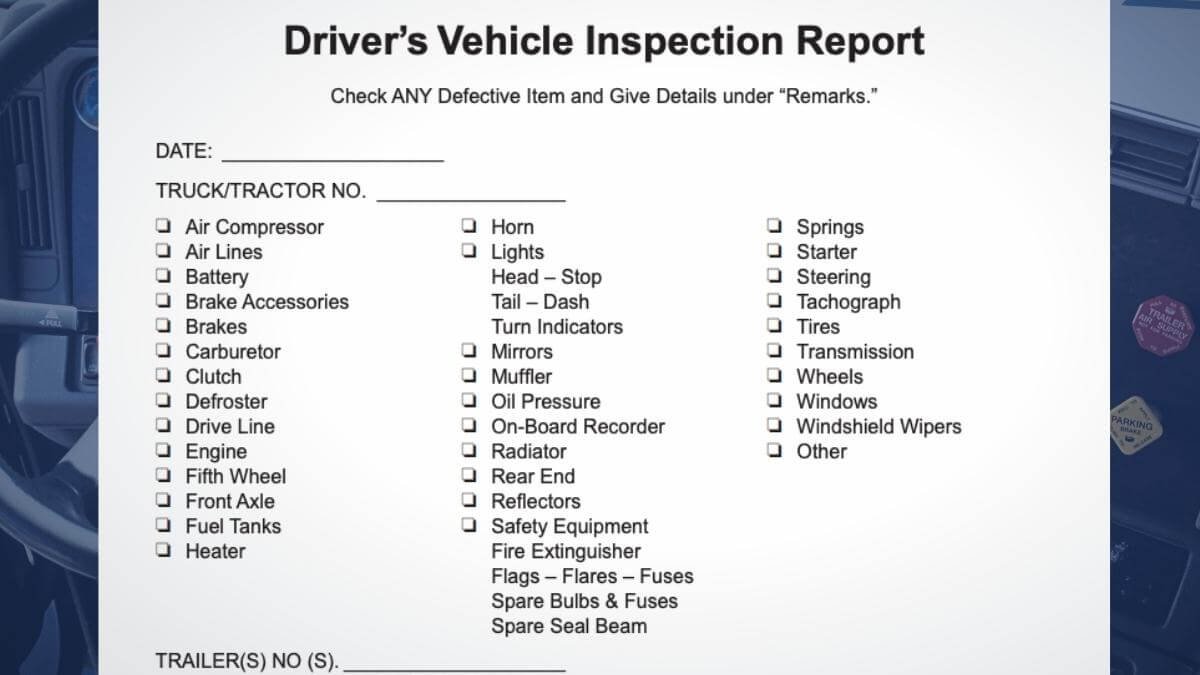
- Do pre-trip and post-trip inspections properly, every time. Most Vehicle Maintenance violations are caught at roadside stops for things a thorough inspection would have flagged first.
- Keep ELD logs clean and accurate. Don’t let small HOS violations slide because “it was just a few minutes.” They add up in the BASIC score the same way large violations do, just with lower weight.
- Stay current on medical certifications and licensing. Set calendar reminders well before expiration dates — Driver Fitness violations are some of the most avoidable on the list.
- Address maintenance issues before they become inspection findings. A burned-out light or worn tire caught at a truck stop is a lot cheaper than the same issue caught at a scale house.
- Train for roadside inspection behavior. How a driver interacts with an inspector, and whether documents are organized and ready, can influence whether a stop turns into a deeper look.
- Review your own data regularly. Carriers that only look at their CSA score after a broker asks about it are always playing catch-up.
- Work With Compliance-Focused Partners. Dispatchers cannot change your CSA record or remove violations. However, professional dispatch services can help carriers stay organized, understand broker expectations, communicate effectively, and support efficient day-to-day operations while remaining compliant.
None of these habits guarantee a perfect score, and no dispatcher or back-office partner can directly change what’s already been recorded with FMCSA. What steady operational habits can do is reduce how often new violations get added and help a carrier build a track record that looks stable and trustworthy over time — which is exactly what brokers are checking for in the first place.

Conclusion
Understanding csa score trucking is an important part of running a successful trucking business. From roadside inspections and vehicle maintenance to Hours of Service compliance and safe driving habits, every decision you make contributes to your long-term safety record. While no carrier can avoid every challenge on the road, consistent compliance helps protect your reputation, strengthens relationships with brokers, and supports sustainable business growth. At OIG Dispatch, we understand the importance of compliance, reliability, and professional support for owner operators looking to grow their business.
FAQ: Common Questions About CSA Scores
Does a bad CSA score mean I’ll get shut down?
Not automatically. FMCSA uses CSA data to prioritize which carriers get audited or investigated, but a single elevated BASIC doesn’t trigger shutdown on its own. Severe or repeated violations, especially in categories like Controlled Substances or Crash Indicator, carry more regulatory weight than isolated issues elsewhere.
How often does my CSA score update?
FMCSA’s SMS data typically updates monthly, reflecting new inspections and violations while older ones roll off the 24-month window. Because of this, scores can shift even if you haven’t had a new inspection recently, simply because old violations age out.
Can a broker refuse to book me because of my CSA score?
Yes. Brokers aren’t required to work with every carrier, and many use safety data, including CSA scores, as part of their vetting process before assigning freight. This is exactly why keeping a clean, monitored safety record matters even if you’re never formally investigated by FMCSA. Building a track record brokers trust takes more than a clean truck — it takes consistent, documented performance over time. New carriers: OIG helps you build a track record of broker trust.