



Most truckers know dispatchers find loads.
But most owner-operators do not know what actually happens behind the scenes before a load shows up on their phone.
A good dispatcher is not just scrolling load boards and sending random options. They are checking your equipment, preferred lanes, available hours, rate expectations, broker requirements, pickup times, delivery windows, deadhead miles, and paperwork before a load ever reaches you.
That is why understanding how truck dispatch works is important before you hire a dispatch company. When you know the process, you can tell the difference between a dispatcher who is actually protecting your business and someone who is just sending you whatever pops up first.
At OIG Dispatch, the process is built around a simple idea: your truck, your authority, your decision. Our truck dispatch service helps find and negotiate the load, but you approve what you haul.
Here is how truck dispatchers find loads for you step by step.
Step 1 — Onboarding Your Truck With a Dispatch Company
Before a dispatcher can start looking for loads, they need to understand your operation.
This is the onboarding stage.
At OIG Dispatch, the process starts when you submit your basic truck and business information. This helps the dispatcher know what kind of freight you can legally and safely haul.
A dispatcher will usually need details like:
- Your MC and USDOT number
- Your insurance information
- Your W-9
- Your equipment type
- Your trailer type
- Your home base
- Your preferred lanes
- Your target rate per mile
- Your availability
- Your factoring details, if you use factoring
- Your preferred pickup and delivery areas
This step matters because every truck is different.
A flatbed owner-operator will not run the same freight as a reefer driver, which is why specialized support like Flatbed Dispatch
can help carriers find loads that match their equipment, lanes, and rate goals. A hotshot carrier has different load options than a dry van carrier, while a box truck owner may prefer local or regional work instead of long-haul freight.
The dispatcher also needs to understand what you do not want.
For example, you may want to avoid certain states, low-paying lanes, long deadhead miles, overnight pickups, heavy detention risk, or freight that does not match your equipment.
This is where the relationship starts.
A good dispatcher should not treat you like just another truck number. They should learn your truck, your goals, and how you prefer to run.
For owner-operators, this is especially important because one bad load can waste time, fuel, and profit. If you are running one truck, every decision matters.
That is why OIG Dispatch assigns a dedicated dispatcher who learns your preferences, home base, and target rates. Instead of dealing with a random person every time, you work with someone who understands your operation.
For more details about dispatch support for independent drivers, visit the Owner Operator Dispatch page.
Step 2 — Your Dispatcher Searches DAT, Truckstop & Broker Networks
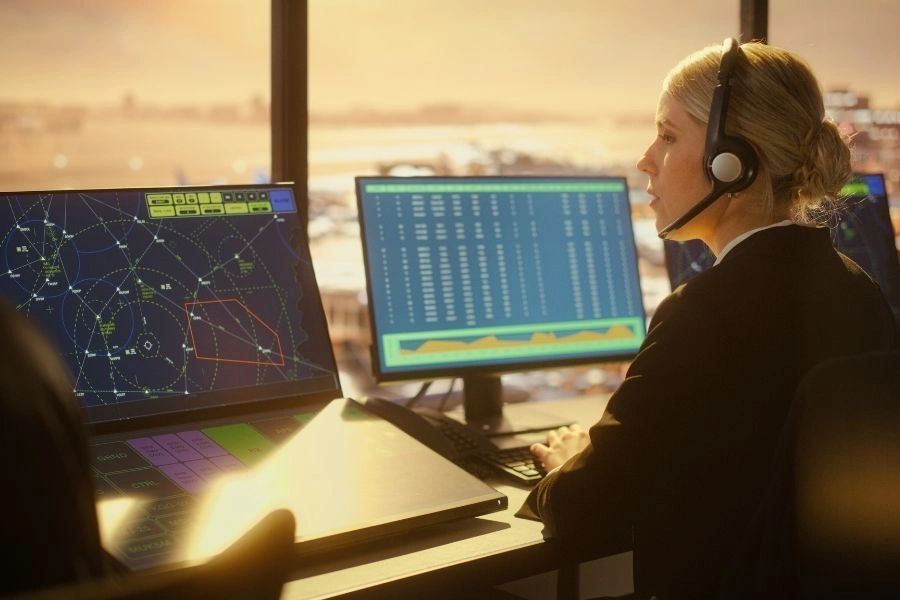
Once your truck is onboarded, the dispatcher starts searching for freight.
This is where many drivers think the job is simple. But searching for loads is not just typing in a city and picking the highest number.
A dispatcher checks load boards like DAT, Truckstop, and broker networks to find freight that actually fits your truck.
They look at things like:
- Pickup location
- Delivery location
- Deadhead miles
- Rate per mile
- Total load pay
- Weight
- Commodity
- Broker reputation
- Pickup appointment time
- Delivery appointment time
- Lane demand
- Backhaul options
- Detention risk
- Fuel cost
- Weather or traffic concerns
A load may look good at first, but after checking the details, it may not be worth it.
For example, a load may offer a decent total rate but require too many deadhead miles. Another load may pay well but deliver into a weak market where it becomes hard to find the next load. Some loads have tight appointment windows that create unnecessary pressure for the driver.
This is where an experienced dispatcher brings value.
The dispatcher is not only asking, “What does this load pay?”
They are asking:
- Will this load make sense after fuel?
- Will it put the truck in a better market?
- Can the driver make pickup and delivery safely?
- Is the broker reliable?
- Is there room to negotiate?
Will this load help the driver’s week or hurt it?
That is the difference between finding a load and finding the right load.
A strong dispatcher thinks ahead. They are not only looking at today’s load. They are also thinking about where your truck will be tomorrow.
Step 3 — Rate Negotiation — Why Dispatchers Get Better Rates Than Drivers

After the dispatcher finds a possible load, the next step is negotiation.
This is one of the biggest reasons owner-operators hire dispatchers.
Many drivers accept lower rates because they are busy driving, sitting at a truck stop, or trying to move quickly. Brokers know this. If a driver sounds rushed, tired, or inexperienced, the broker may try to keep the rate low.
A dispatcher has more time to push back.
They can call the broker, compare market rates, check similar lanes, understand capacity, and negotiate before presenting the load to the driver.
A good dispatcher does not just ask, “Is this load still available?”
They ask better questions:
- What is the best rate you can do?
- Is there room on the rate?
- What is the commodity?
- What is the weight?
- Are pickup and delivery appointments firm?
- Is detention paid?
- Are there extra stops?
- Is lumper included?
- Is this load ready now?
- How fast can you send the rate confirmation?
This matters because small differences add up.
An extra $100 or $200 on one load may not sound huge, but across multiple loads every month, better negotiation can make a real difference.
Dispatchers may also have stronger broker communication because they speak to brokers every day. They understand how to present the carrier professionally, how to push for a better rate, and when to walk away from a bad offer.
At OIG Dispatch, rate negotiation is part of the service. The goal is not to accept the first offer. The goal is to push for the best available rate while keeping your truck moving.
But the final decision still belongs to you.
A dispatcher should present the load details clearly, including pickup, delivery, miles, rate, broker, commodity, and any special instructions. Then you decide whether you want to accept it.
That is what no forced dispatch means.
You are not being pushed into a load just because the dispatcher found one. You approve it first.
Step 4 — Load Confirmation and Paperwork Handling

Once you approve the load, the dispatcher moves into paperwork.
This is where a lot of drivers lose time.
A load is not truly booked until the paperwork is handled correctly. The dispatcher may need to complete broker setup, send carrier documents, review the rate confirmation, and make sure all details match what was agreed.
Important paperwork can include:
- Rate confirmation
- Broker-carrier agreement
- Carrier packet
- Certificate of insurance
- W-9
- Bill of lading
- Pickup instructions
- Delivery instructions
- Accessorial information
- Detention terms
- Lumper details, if needed
This stage is very important because mistakes can cost money.
If the rate confirmation does not match the negotiated rate, that needs to be fixed before the driver moves. If the pickup time is wrong, the driver may waste hours. If accessorial charges are not clearly included, the carrier may have trouble getting paid later.
A dispatcher reviews these details so the driver does not have to handle everything while trying to stay focused on the road.
This is also where the dispatcher protects the carrier’s time.
Instead of the driver calling the broker again and again, waiting for paperwork, or checking emails while parked, the dispatcher handles the back-and-forth communication.
The goal is simple:
- Get the load confirmed.
- Get the paperwork right.
- Get the driver moving.
That is why paperwork handling is one of the most valuable parts of dispatch support.
Step 5 — You Haul, They Follow Up With Brokers

After the load is booked, the driver does what the driver does best: haul the freight.
But the dispatcher’s job does not stop there.
During the load, the dispatcher may help with broker updates, check calls, appointment changes, delays, paperwork follow-up, and communication between the carrier and broker.
For example, if there is a delay at pickup, the dispatcher can inform the broker. If the delivery time needs confirmation, the dispatcher can check. If the broker needs an update, the dispatcher can handle that communication.
This keeps the driver focused on safety and driving instead of being stuck on the phone.
After delivery, the dispatcher may also help make sure the paperwork is submitted correctly. That can include BOLs, proof of delivery, rate confirmation, lumper receipts, and any other required documents.
This part matters because hauling the load is only one part of getting paid.
The paperwork must also be clean.
A good dispatcher helps reduce confusion between the driver, broker, factoring company, and back office. That means fewer delays, fewer missing documents, and a smoother process from booking to payment.
At OIG Dispatch, this fits the final step of the process: You haul, you get paid. The dispatcher handles paperwork, follow-up, and broker communication so you can keep moving.
To see the full process, visit the How It Works page.
Why This Process Helps Owner-Operators
When you understand how truck dispatch works, you can see why dispatch is more than load searching.
A good dispatcher helps with:
- Finding better load options
- Avoiding bad lanes
- Reducing deadhead miles
- Negotiating stronger rates
- Handling broker communication
- Managing paperwork
- Keeping your truck moving
- Saving time for the driver
- Reducing stress during the week
For owner-operators, time matters. Every hour spent searching, calling, negotiating, and chasing paperwork is an hour not spent driving or planning the business.
That is why many drivers use dispatch support.
The right dispatch company becomes part of your back office. They help you stay organized, communicate professionally, and make better load decisions.
But the key is choosing a dispatcher who respects your authority.
You should always know what load is being booked, what it pays, where it picks up, where it delivers, and what the terms are.
A dispatcher should support your business, not control it.
FAQ:
What does a truck dispatcher actually do?
A truck dispatcher finds load options, contacts brokers, negotiates rates, sends load details to the driver, handles paperwork, and follows up during the load. The dispatcher helps keep the truck moving while the driver focuses on hauling freight.
Do dispatchers book loads without asking the driver?
A professional dispatch company should not book loads without driver approval. At OIG Dispatch, loads are presented first, and the carrier approves the load before it is booked.
What information does a dispatcher need before finding loads?
A dispatcher usually needs your MC/USDOT number, insurance, W-9, equipment type, home base, preferred lanes, rate expectations, and availability. This helps them search for loads that match your operation.
Can dispatchers help new MC carriers?
Yes. New MC carriers can benefit from dispatch support because they may not yet have broker relationships or load board experience. A dispatcher can help with load searching, broker setup, paperwork, and rate negotiation.
Do dispatchers only use load boards?
Load boards are a major tool, but experienced dispatchers may also use broker relationships and direct communication with freight contacts. The goal is to find loads that fit the truck, lane, and driver’s rate expectations.
Why can a dispatcher sometimes get better rates?
Dispatchers negotiate with brokers regularly. They understand lane pricing, market conditions, broker communication, and how to push back on low offers. Since they are not driving at the same time, they can focus more on negotiation.
Is truck dispatch the same as freight brokering?
No. A dispatch company works for the carrier and helps the carrier find and manage loads. A freight broker works between shippers and carriers to arrange transportation. A dispatch service should operate as a carrier representative, not as a broker.
How do I start with OIG Dispatch?
You can start by submitting your truck information through the onboarding page. After that, a dispatcher reviews your details, learns your preferences, and starts helping you find suitable loads.
Ready to See How OIG Dispatch Works?
If you are tired of chasing brokers, refreshing load boards, and handling paperwork alone, OIG Dispatch can help you keep your truck moving.
Learn more about the process here: How It Works
Ready to get started? Onboard Your Truck